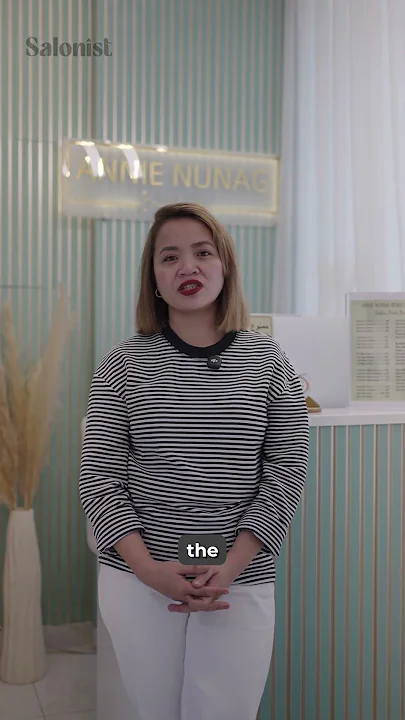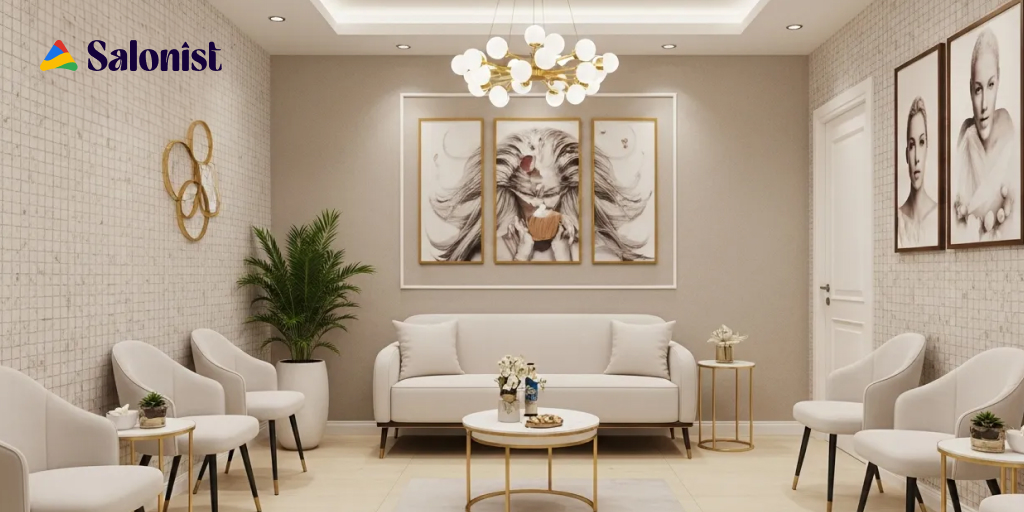
Quick answer: Seat around 1.5 times the clients you serve in an hour. Use layered lighting instead of ceiling spots. Hide all storage. Then add the things that earn their place. Retail within reach for salons and sensory calm for spas.
Most waiting room articles stop at cushions and colour schemes. Your waiting area can do more than look nice.
It is the only place clients sit still with nothing to do. That is retail time for a salon and settling time for a spa.
This guide covers the specs first. Then the ideas that suit each type of business.
Why the Waiting Room Matters?
The appointment does not start in the chair. It starts when someone walks through the door.
Clients arrive carrying stress from outside. The room either lowers that or adds to it.
- It settles a nervous first time client
- It makes the wait feel shorter than it is
- It signals your standards before anyone speaks
- It is your highest margin sales spot in a salon
Start With Size and Layout
Get this right before you buy anything.
Seat roughly 1.5 times the number of clients you can service in one hour. That covers early arrivals and anyone who came along with them.
- Four chairs turning over hourly means seating for about six
- Keep a clear walkway so nobody squeezes past a stylist carrying colour
- Give every seat a surface within reach for a drink and a phone
- Position seating so clients are not staring at the till
Too many seats reads as chaotic. Too few and people hover by the door.
Lighting Is the Cheapest Upgrade
One ceiling light flattens a room and makes everyone look tired. Use three layers instead.
- Ambient. Soft general light rather than bright panels
- Task. Brighter light at the desk so staff can read and take payment
- Accent. Lamps or wall lights on the retail shelf and photo wall
- Daylight. Keep windows clear and use sheer blinds rather than heavy drapes
Natural light lifts mood and shortens perceived waiting time. Use it wherever the layout allows.
Colour and Materials
Colour changes how long a wait feels.
- Cool tones such as blue and green and soft grey calm people
- Warm tones such as terracotta and mustard raise energy
- Neutrals make small rooms feel larger and photograph better
Hard glossy surfaces bounce stress around a room. Natural materials absorb it. Wood and stone and linen and matte finishes ground a space.
Choose fabrics you can wipe down. Faux leather and high performance textiles survive daily traffic and colour splashes.
Sensory Design for Spas
The nervous system reacts fast to sight and sound and smell together. Spas should manage all three deliberately.
Curate the Soundscape
Silence feels awkward and noise feels stressful. Soft instrumental music or nature sounds sit between the two.
Keep the volume and tempo consistent all day. What clients hear should feel predictable.
Add a Signature Scent
Scent links closely to memory. A lightly diffused oil such as lavender or sandalwood builds brand recall.
The goal is a gentle cue rather than masking other smells. Heavy fragrance triggers headaches and puts sensitive clients off.
Give Clients a Screen Break
Many clients arrive already overstimulated. A short pause from the phone changes the whole visit.
- A soft lined tray that invites people to set the phone down
- Curated books and wellness magazines instead of a television
- A small card showing a breathing pattern such as four counts in and six out
Frame it as a choice and never a rule. A sign reading "let your phone rest while you do" works better than an instruction.
Comfort Is the Baseline
Comfort is not a luxury extra. Clients treat it as the minimum.
- Semi private seating. Semi enclosed nooks give privacy without isolating anyone.
- Real personal space. Fewer seats spaced further apart feel more premium than a packed row.
- Weighted blankets. A light blanket helps an anxious client feel grounded. Keep them optional and clean.
- Somewhere for belongings. Nothing frustrates a client more than holding a coffee and a bag and a phone.
Bring Nature Into the Space
Greenery and daylight are the cheapest calm you can buy. They also photograph well for social posts.
- A living green wall. Plants improve air quality and soften hard corners. Vertical greenery saves floor space.
- An organic palette. Light greens and beige read as natural. High contrast colours alert people rather than relax them.
- Good quality faux plants. Better than real ones you will forget to water.
Preview Your Service in the Lobby
The waiting room is a chance to show what you do before the treatment starts.
- A welcome drink. Herbal tea or infused water shifts the mood from transaction to hospitality.
- Tactile product testers. Let clients touch and smell. This supports retail without a hard sell.
- A silent looping video. Slow footage of technique reinforces expertise without adding noise.
- A portfolio wall. Framed before and after work. Clients book services they can see.
- A printed service menu. Most clients only know the service they came for.
Turn the Wait Into Retail Sales
This is where a salon lobby differs most from a spa one. Your clients are about to spend money and they are sitting still.
- Put shelving at eye level between roughly four and six feet from the floor
- Keep it within reach of the seating rather than behind the desk
- Stock testers so people can try before buying
- Group products by problem rather than by brand
- Rotate a seasonal feature shelf every month
Track what actually moves through your point of sale and restock the winners. An online store lets clients reorder without coming in.
Use Technology Quietly
Technology should cut friction and never add noise.
- Page clients silently. Skip calling names out loud. Appointment management can alert the front desk without anyone raising a voice.
- Hand out intake tablets. Digital consent forms cut paperwork and let clients fill details at their own pace.
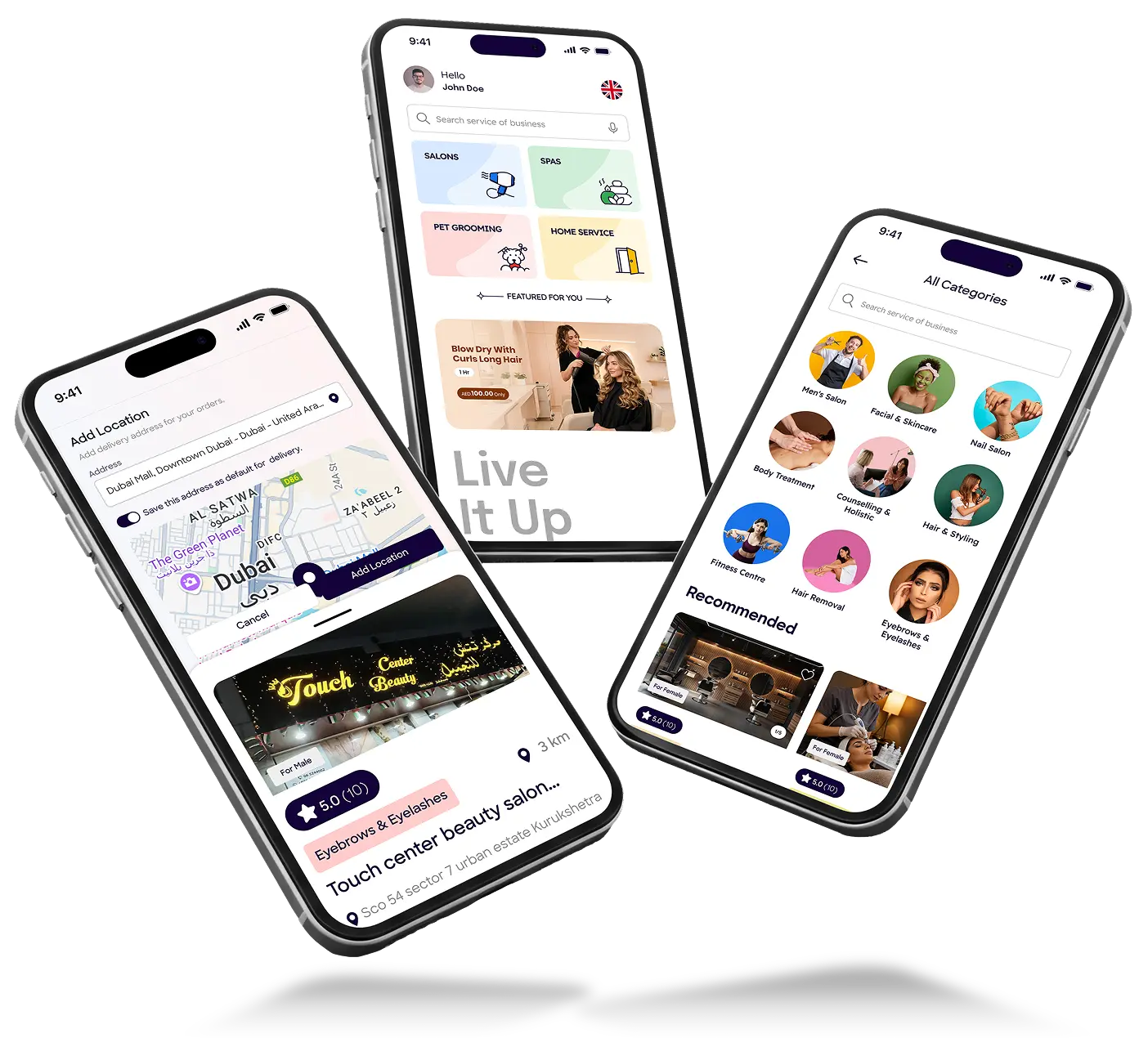
- Carry details through. An online booking system can pass that information straight into the appointment record.
- Give light control. Small table lamps with adjustable brightness hand clients a sense of choice.
- Prompt rebooking. A small sign at the desk asking clients to book the next visit before they leave.
Eight Style Directions
| Style | Key materials | Suits |
|---|---|---|
| Modern minimal | Neutral paint and clean lines | Small spaces and busy salons |
| Warm and cosy | Wood and textured fabric | Neighbourhood salons with regulars |
| Industrial | Exposed brick and black metal | Barbershops and city centre sites |
| Classic elegant | Framed mirrors and soft lamps | Bridal and premium salons |
| Botanical | Plants and natural light | Spas and wellness leaning businesses |
| Tech forward | Tablets and digital displays | Younger client bases |
| Colour led | One bold accent wall | Nail bars and creative studios |
| Luxe | Marble effect and brass | High ticket colour salons and day spas |
Pick one and commit. A room borrowing from three styles reads as unplanned rather than eclectic.
Salon or Spa: What Actually Differs
| Element | Salon | Spa |
|---|---|---|
| Main goal | Sell retail and rebook | Lower stress before treatment |
| Sound | Upbeat but low | Slow ambient or nature |
| Seating | Sociable and open | Semi private nooks |
| Retail | Front and centre | Discreet testers only |
| Screens | Portfolio slideshow works | Avoid or keep silent |
| Scent | Clean and neutral | Signature diffused oil |
Small Salon & Spa Waiting Room Ideas
Size does not decide whether a room feels premium. Clutter does.
- Use wall mounted or floating benches so the floor stays visible
- Hang a large mirror to bounce daylight deeper into the room
- Go vertical with plants and shelving rather than using floor space
- Keep three or four seats rather than six squeezed together
- Stick to one wall colour and one accent material
- Use open shelving as a divider rather than a solid screen
- Store everything out of sight behind the desk
What It Costs?
| Upgrade | Rough cost | Impact |
|---|---|---|
| Repaint and declutter | Low | High |
| Warm bulbs and table lamps | Low | High |
| Framed photo wall of your work | Low | High |
| Scent diffuser and playlist | Low | High |
| Drinks station | Low | Medium |
| Plants or vertical greenery | Medium | Medium |
| Retail shelving unit | Medium | High |
| New seating | Medium to high | Medium |
| Semi private nooks or full refit | High | Medium |
Start at the top. Paint and lighting move the needle further than furniture does.
Mistakes to Avoid
- Visible stock and paperwork. It cancels out everything else instantly.
- A loud television. News and adverts undo every calming choice in the room.
- Overpowering scent. Heavy fragrance triggers headaches and drives people out.
- Too many seats crammed together. Fewer chairs with space feels more expensive.
- Harsh ceiling lighting. It flattens the space and ages everyone in it.
- Retail nobody can reach. Product above head height does not sell.
- Calling names out loud. It breaks privacy and startles everyone waiting.
- Old magazines. A dated cover says nobody is paying attention.
- Never refreshing it. Regulars stop noticing a room after a few months.
Frequently Asked Questions
How many seats should a waiting area have?
Around 1.5 times the clients you can service in an hour. That covers early arrivals and companions.
How do I make a small waiting area feel bigger?
Use wall mounted seating and a large mirror. Keep one wall colour and hide all storage.
What lighting works best?
Layered lighting. Soft ambient light with brighter task light at the desk and warm accent lamps.
What colours suit a waiting room?
Neutral walls with one accent colour. Cool tones calm people and warm tones lift energy.
Should retail go in the waiting area?
In a salon yes. Eye level and within reach with testers available. Spas should keep it discreet.
How is a spa waiting room different from a salon one?
Spas manage sound and scent for calm and use private seating. Salons prioritise retail and rebooking.
Does a waiting room need technology?
Only quiet technology. Silent paging and digital intake save time without adding noise.
How often should I refresh it?
Rotate small elements seasonally. Review layout and seating every two or three years.
Final Thoughts
Your waiting room is the only place clients sit still and look around. Give them something worth looking at.
Fix the lighting and the clutter first. Both cost very little and change a room more than new furniture will.
Then make it work for the business you actually run. Retail within reach for a salon. Sensory calm for a spa.
Our hair salon software and spa software track whether it is paying off. The spa management guide covers the operations side.