Most med spas cost $150000 to $500000 to open in 2026. A lean injectables only clinic can start near $50000. A premium build in a major market passes $1 million. Equipment usually takes 40% to 50% of the budget.
Most guides list expenses and never give you a total. That is not much use when you are talking to a lender.
This guide gives the number first. Then it breaks down where the money goes and what most owners forget to budget.
Med Spa Startup Cost by Size
| Type | Startup cost | What it covers |
|---|---|---|
| Solo injector suite | $50000 – $150000 | Injectables only with minimal equipment |
| Lean two room clinic | $150000 – $250000 | Injectables plus basic skin services |
| Mid range med spa | $300000 – $500000 | Adds laser or body contouring devices |
| Premium build in a major market | $1 million+ | Full device suite and high end fit out |
Your state matters more than most owners expect. California and New York can cost roughly double a comparable clinic in Arizona or Georgia.
Where the Money Goes?
| Category | Typical range |
|---|---|
| Build out for a 1200 to 2500 sq ft space | $80000 – $300000 |
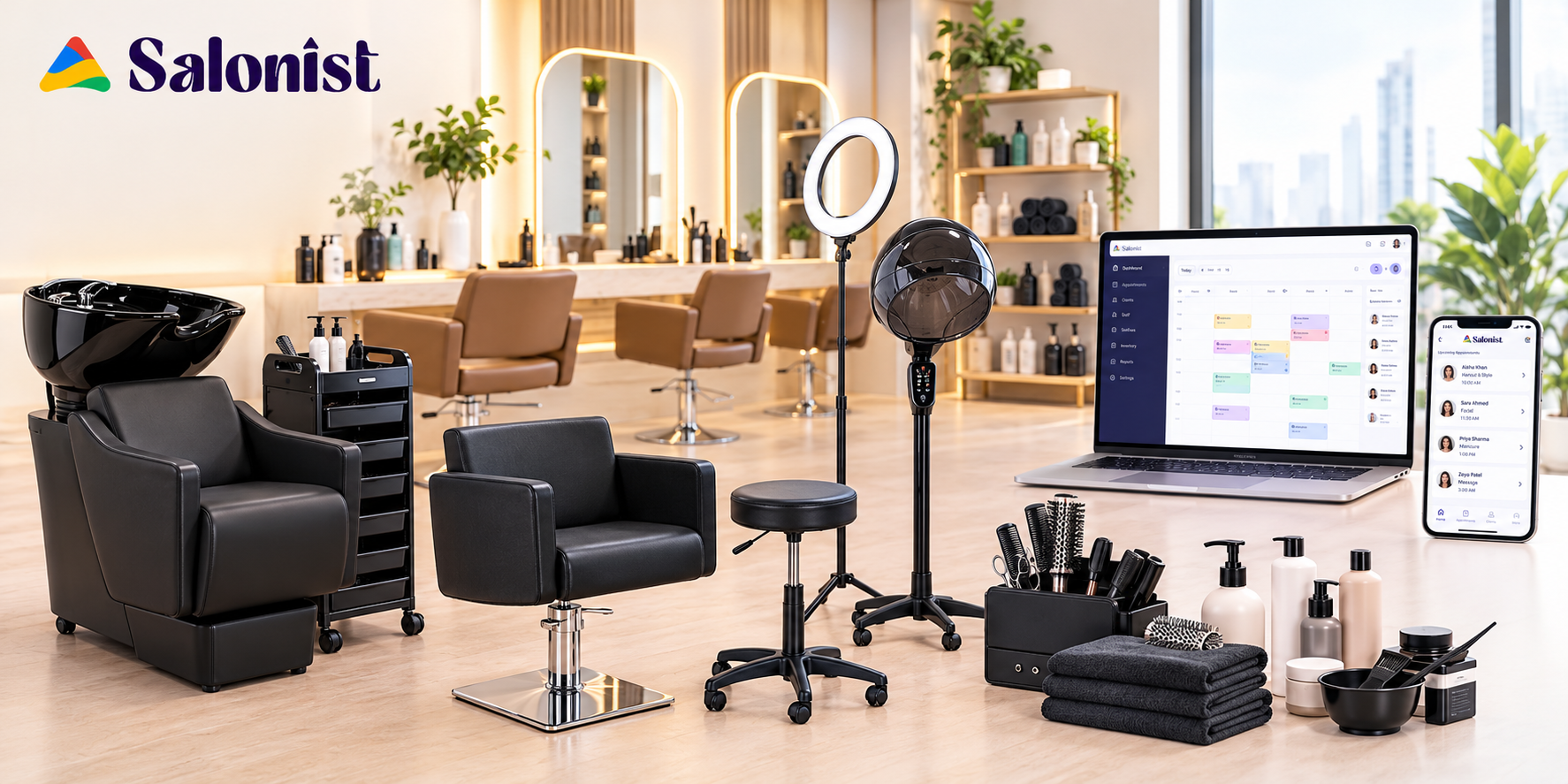
| Equipment and devices | $50000 – $250000 |
| Opening inventory | $20000 – $60000 |
| Licensing legal and entity setup | $10000 – $30000 |
| Operating cash reserve | $80000 – $200000 |
Equipment Is Your Biggest Line
Devices take 40% to 50% of a typical budget. A practice offering only injectables needs very little.
- Adding a laser adds roughly $80000 to $150000
- Adding body contouring adds another $80000 to $150000
- IPL machines run $7000 to $30000
- Treatment chairs run $500 to $2500 each
Note that Botox and fillers are consumable injectables rather than machines. Budget them as inventory and not equipment.
The Cost Most Guides Miss: Your Medical Director
Every US state with active med spa regulation requires a licensed physician to oversee medical procedures. This is not optional and franchising does not waive it.
A medical director retainer typically runs $1500 to $5000 a month in 2026. States with stricter supervision rules push it higher.
Be careful at the bottom of that range. A retainer priced far below market often means a paper director who never does the oversight. That is a fast route to a board complaint.
Ownership Rules Vary by State
- Most states allow non physician ownership with a physician or NP as medical director
- Corporate practice of medicine states such as California and New York and Texas require the medical entity to be physician owned
- Non physicians in those states usually use a management services organisation structure
Check your state rules before you form an entity. Getting this wrong is expensive to unwind.
Ongoing Monthly Costs
Startup cost is only half the picture. Budget these every month from day one.
- Medical director retainer
- Rent and utilities
- Payroll for providers and front desk
- Malpractice and liability insurance
- Consumables and injectable restocking
- Marketing spend
- Software and payment processing
Track stock against treatments through inventory management. Injectables expire and shrinkage here is expensive.
When Does a Med Spa Break Even?
- Most run cash flow negative for the first six months while building a patient base
- Monthly profitability typically arrives at 12 to 18 months
- Full payback on the startup investment takes two to four years
Established med spas average around $1.4 million a year with margins near 20% to 25%. Year one is usually far lower.
This is why the operating cash reserve matters. Underestimating it is a common reason new clinics fail inside eighteen months.
6 Ways to Reduce Startup Costs
- Start with injectables. Add devices once demand proves out rather than on day one.
- Lease equipment. A laser lease protects cash while you build patient volume.
- Pick a second tier location. Rent and build out swing budgets by six figures.
- Buy used furniture. Reception and waiting furniture does not need to be new.
- Sell memberships early. Recurring revenue smooths the first eighteen months.
- Run one system. Med spa software covering booking and records and payments costs less than three separate tools.
Mistakes That Blow the Budget
- No cash reserve. Six months of costs is the minimum before you open.
- Buying every device at once. Idle equipment is the fastest way to lose money.
- Skipping the compliance spend. Consent forms and protocols cost far less than a board complaint.
- Underpricing the medical director. Real oversight protects your licence.
- Forgetting restocking. Injectables and consumables run down every single month.
Digital consent forms stored against each client record keep documentation defensible without paper files.
Frequently Asked Questions
How much does it cost to open a med spa?
Most owners spend $150000 to $500000. A solo injector suite can open near $50000 and premium builds pass $1 million.
Do I need a medical director?
Yes. Every state with med spa regulation requires physician oversight. Expect $1500 to $5000 a month.
Can I own a med spa without being a doctor?
In most states yes with a physician as medical director. California and New York and Texas require a physician owned medical entity.
What is the biggest startup expense?
Equipment. Devices usually take 40% to 50% of the total budget depending on your service mix.
How long until a med spa is profitable?
Most reach monthly profit at 12 to 18 months. Full payback on startup costs takes two to four years.
How much cash reserve do I need?
Budget $80000 to $200000. That covers four to six months of rent and payroll before breakeven.
Final Thoughts
The number that matters is not the build out. It is the reserve that carries you through the first six months.
Start lean and add devices once the appointment book justifies them. Price your medical director properly and check your state rules before forming an entity.
Our spa management guide covers the operational side once you are open.
This article is general business information only. It is not legal medical or financial advice. Confirm state licensing and supervision rules with a healthcare attorney before you commit.