Start with the clients you already have rather than the ones you want. Pull spend and visit frequency and service mix from your booking data. Group them by behaviour rather than age. Then build two or three personas and price for them.
Most salon owners describe their target market as women aged 25 to 45. That describes half the country and helps nobody.
A useful target market tells you what to put on the menu and what to charge. It also tells you which enquiries to turn down.
Here is how to build one from data you already hold.
What a Target Market Actually Is?
Your target market is the group most likely to book you repeatedly and pay your prices without complaint.
It is defined by shared traits that predict buying behaviour. Age alone rarely does that.
Four Ways to Segment
| Type | Examples | What it decides |
|---|---|---|
| Demographic | Age and income and gender | Price ceiling |
| Geographic | Postcode and commute and housing type | Location and opening hours |
| Psychographic | Values and lifestyle and priorities | Brand and messaging |
| Behavioural | Visit frequency and spend and services booked | Menu and offers |
Behavioural data is the most useful and the easiest to get. It already sits in your booking system.
Step 1: Analyse the Clients You Have
Pull twelve months of data before you research anything external.
- Average spend per visit
- Visit frequency in weeks
- Most booked service combinations
- Which day and time each group books
- Rebooking rate by service
- Which clients have not returned in ninety days
Sort by total annual value rather than visit count. The client who comes four times for colour often beats the one who comes twelve times for a trim.
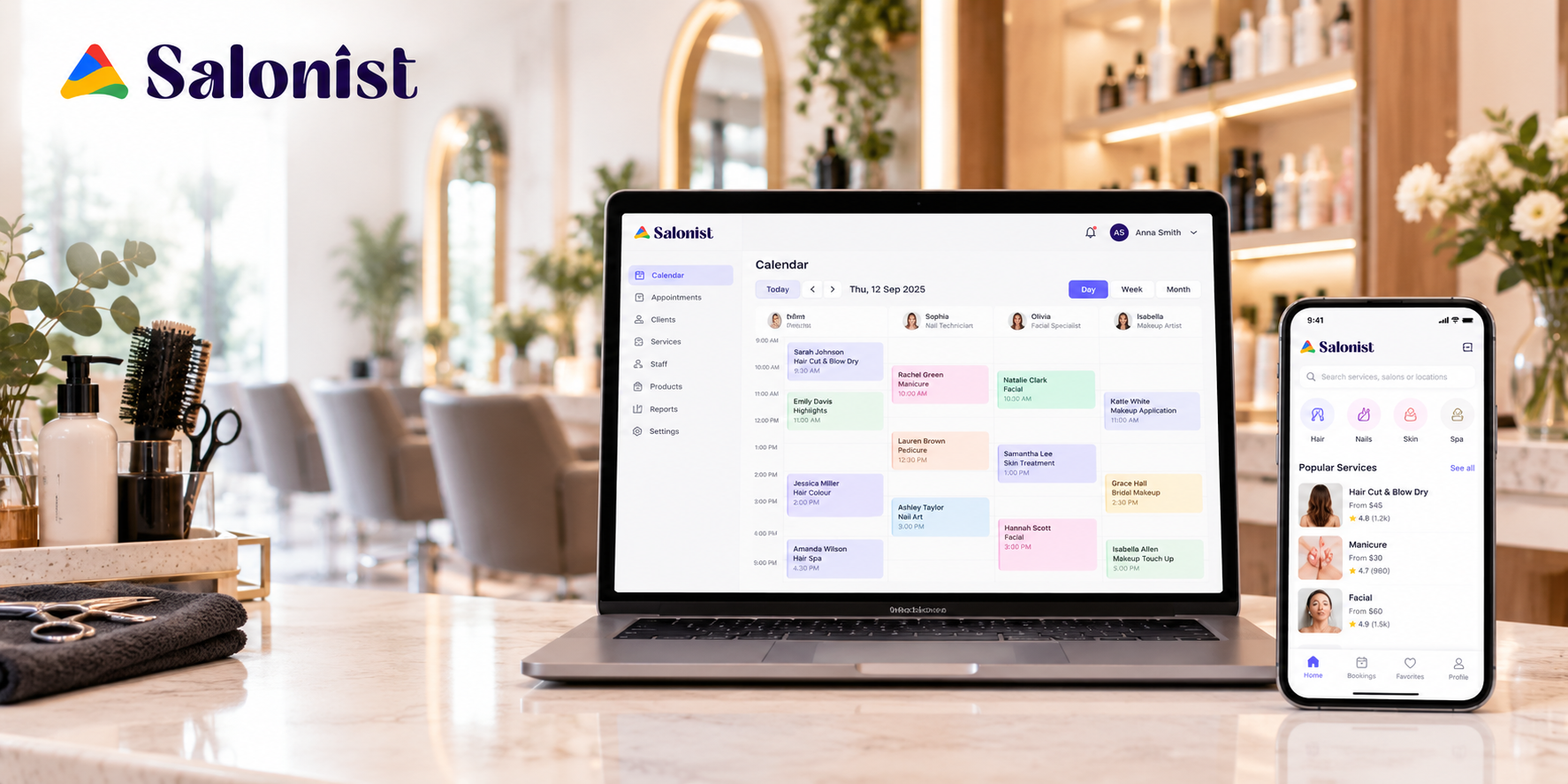
Your reporting dashboard gives you all six numbers without manual counting.
Step 2: Research Your Local Area
Your target market is limited by geography. Most clients come from within a short travel radius.
Walk the area and check the following:
- Housing type and price. This predicts disposable income better than any survey.
- Who else is nearby. Coffee shops and gyms and nurseries tell you who walks past.
- Competitor prices. Note their cheapest and most expensive service.
- Gaps in the menu. Curly cutting and textured hair and men's colour are often underserved.
- Parking and transport. This decides whether people travel to you or past you.
Look for a gap you can fill rather than a fight you can join.
Step 3: Build Two or Three Personas
A persona is a composite built from real data rather than an invented character. Each one needs numbers attached.
Example: The Colour Regular
- Books: Root touch up and gloss every six weeks
- Spend: Around $140 a visit and $1200 a year
- Books when: Weekday evenings after work
- Wants: The same stylist every time and no surprises
- Sell her: A prepaid colour package and take home toning shampoo
Example: The Occasion Client
- Books: Two or three times a year around events
- Spend: Around $200 a visit but low frequency
- Books when: Saturdays and often last minute
- Wants: To look different rather than maintained
- Sell her: Blow dry memberships to raise frequency
Example: The Maintenance Client
- Books: A cut every four to five weeks
- Spend: Around $45 a visit and $500 a year
- Books when: Early morning or lunchtime
- Wants: Speed and consistency above all
- Sell him: A standing appointment and beard or scalp add ons
Two or three personas is enough. More than four and you stop making decisions.
Step 4: Turn Personas Into Decisions
A persona is useless until it changes something. Each one should drive four things.
| Decision | Question to answer |
|---|---|
| Service menu | What do they book and what should we add |
| Pricing | What will they pay without hesitating |
| Opening hours | When can they actually come |
| Marketing channel | Where do they already spend attention |
Store the persona against each client record so the whole team knows who they are serving.
Step 5: Market to Each Group Differently
One message to everyone converts nobody. Segment your list and change the offer.
- Colour regulars get a reminder timed to their cycle
- Occasion clients get a message before wedding season
- Maintenance clients get a standing appointment prompt
- Lapsed clients get a different message from active ones
Automated email and SMS campaigns handle the sending once the segments exist.
Step 6: Test and Adjust
Run each offer for a month and measure three things.
- Open and click rate on the message
- Bookings that came from it
- Whether those clients rebooked
If an offer underperforms then change the offer before you change the wording. The wrong offer to the right person is still the wrong offer.
Review your segments every six months. Client bases drift as an area changes.
Mistakes to Avoid
- Defining by age alone. Two thirty year olds can want completely different things.
- Targeting everyone. A menu built for all budgets satisfies none of them.
- Guessing instead of pulling data. Your booking system already knows the answer.
- Building personas with no numbers. Without spend and frequency they are just characters.
- Chasing a market you cannot serve. If you have no colourist do not target colour clients.
- Never revisiting it. Areas gentrify and client bases age.
Frequently Asked Questions
What is a hair salon target market?
The group most likely to book repeatedly and pay your prices. It is defined by behaviour rather than age alone.
How do I find my salon target market?
Start with twelve months of your own booking data. Look at spend and frequency and service mix before external research.
How many personas should a salon have?
Two or three. More than four and the personas stop driving decisions.
Can a salon have more than one target market?
Yes but they must share a price bracket. A budget menu and a premium one confuse both groups.
What data should I collect about clients?
Spend per visit and visit frequency and services booked and preferred time. Store it against the client record.
How often should I review my target market?
Every six months. Local areas change and your client base ages with you.
Final Thoughts
Your target market is not who you wish walked in. It is who already pays you well and comes back.
Start with the data you hold. Add local research. Build two or three personas with real numbers attached.
Then let those personas decide your menu and your prices and your opening hours. Our hair salon software keeps the data in one place so the review takes an afternoon rather than a week.