These spa package ideas help you earn more from the clients who already book with you. Each idea comes with sample services and timing. You also get example pricing and the saving your client sees.
A full calendar does not always mean a strong month. If every guest books one massage and leaves your income hits a ceiling. Your rooms and your opening hours set that ceiling.
Packages give you another way to grow. They turn a one service visit into a three service visit. You do not need more clients to make it work.
In this guide you will find:
- 10 spa package ideas with sample prices
- A simple way to check your package margin
- A free spa package menu template you can copy
- Ways to promote packages and track results
Note on pricing: All prices in this guide are examples in US dollars. They follow a typical day spa menu. Swap in your own prices before you use them.
Why Spa Packages Raise Revenue?
One Decision Instead of Five
Without a package clients pick each service one by one. Your front desk has to pitch every add on separately. Most of those pitches get a polite no.
A package turns five small choices into one clear choice. The client says yes or no once. That single yes is easier to get than five upsells at checkout.
Premium Treatments Feel Less Risky
New treatments like LED therapy rarely sell on their own. Clients are not sure they need them. Pair them with a service they already trust and the risk feels smaller.
Higher Spend Without a Price Increase
Your menu prices stay the same. The client simply books more in one visit. They feel like they get more. They do not feel like they pay more.
More Reasons to Come Back
Series packages and memberships put clients on a schedule. They stop booking only when they remember. Retention becomes part of your revenue plan.
10 Spa Package Ideas With Sample Pricing
Each package below lists the services and the total time. You also see the standalone value and a sample package price. Most packages use a saving of 10 to 15 percent.
Quick Comparison of All 10 Spa Packages
| Package | Best for | Time | Standalone value | Package price | Client saves |
|---|---|---|---|---|---|
| Relaxation | First time clients | 2 hrs | $240 | $210 | 12.5% |
| Couples | Anniversaries and date nights | 1.5 hrs | $390 | $345 | 11.5% |
| Head to Toe Wellness | One long visit | 2.75 hrs | $295 | $260 | 11.9% |
| Stress Relief | Office workers | 2 hrs | $240 | $210 | 12.5% |
| Glow Up | Before big events | 2.5 hrs | $240 | $210 | 12.5% |
| Weekend Recovery | Busy workers | 1.5 hrs | $170 | $150 | 11.8% |
| Bridal Series | Brides before the wedding | 4 visits | $540 | $470 | 13% |
| Mother and Daughter | Two guests | 1.5 hrs | $290 | $255 | 12.1% |
| VIP Luxury | Top spenders | 4 hrs | $500 | $460 | 8% |
| Monthly Membership | Regular clients | Monthly | $110 | $95 per month | 13.6% |
1. Relaxation Package
This is a safe first package for new clients. It also suits stressed clients who want something simple.
- 60 minute Swedish massage ($110)
- 50 minute relaxation facial ($110)
- Aromatherapy upgrade ($20)
Standalone value: $240. Package price: $210. Client saves: 12.5 percent.
2. Couples Spa Package
Sell it for anniversaries and birthdays. Date nights work well too. A plain "for two" label gives clients no real reason to book.
- Two 60 minute side by side massages ($220)
- Two 30 minute express facials ($140)
- Sparkling drinks and a fruit plate ($30)
Standalone value: $390. Package price: $345. Client saves: 11.5 percent.
3. Head to Toe Wellness Package
Make this your top priced everyday package. It suits clients who want one long visit instead of three short ones.
- 90 minute full body massage ($160)
- 45 minute body scrub ($90)
- 30 minute foot treatment ($45)
Standalone value: $295. Package price: $260. Client saves: 11.9 percent.
4. Stress Relief Package
Market this one to office workers and frequent travelers. Focus the message on tension relief rather than pampering.
- 30 minute scalp massage ($50)
- 45 minute back and shoulder massage ($80)
- 50 minute calming facial ($110)
Standalone value: $240. Package price: $210. Client saves: 12.5 percent.
5. Glow Up Spa Package
Promote it two weeks before weddings or reunions. Clients already expect to spend more before big events.
- 45 minute body polish ($90)
- Spa manicure ($35)
- Spa pedicure ($55)
- LED light therapy add on ($60)
Standalone value: $240. Package price: $210. Client saves: 12.5 percent.
6. Weekend Recovery Package
Build this for busy workers. Fill Friday evening and Saturday slots so clients reset before a new week.
- 60 minute deep tissue massage ($120)
- 30 minute foot soak with reflexology ($50)
Standalone value: $170. Package price: $150. Client saves: 11.8 percent.
7. Bridal Spa Package
Sell this as a series of visits before the wedding. Four visits build a stronger relationship and raise total spend. Take a deposit at booking to lock in the dates.
- Three facials spaced over eight weeks ($360)
- Body polish in the wedding week ($90)
- Manicure and pedicure before the big day ($90)
Standalone value: $540. Package price: $470. Client saves: 13 percent.
8. Mother and Daughter Spa Package
Let each guest choose her own treatment. Do not force one menu on both people. Push this package hard in the weeks before Mother's Day.
- Two 50 minute treatments of their choice ($220)
- Two spa manicures ($70)
Standalone value: $290. Package price: $255. Client saves: 12.1 percent.
9. VIP Luxury Spa Package
Price this for your top spenders. Keep the discount small here. These clients value perks more than price cuts.
- 90 minute hot stone massage ($180)
- 80 minute signature facial ($170)
- 45 minute body wrap ($110)
- Private lounge with lunch and drinks ($40)
Standalone value: $500. Package price: $460. Client saves: 8 percent.
Want to add more value without a bigger discount? Offer a private room or a take home product gift instead.
10. Monthly Membership Spa Package
This package turns one time visits into repeat monthly revenue. It also gives you a reason to contact clients every month.
- One 60 minute massage or facial each month ($110 value)
- Member price of $95 per month
- 10 percent off add ons and retail products
Client saves: 13.6 percent on the monthly treatment plus member perks.
How to Price Spa Packages Without Losing Margin?
A discount always costs more profit than it looks. Run these three steps before any package goes live.
Step 1: Add Up the Standalone Prices
List every service in the package at its normal menu price. Add them up. This total is your standalone value.
Step 2: Work Out Your Cost to Deliver
Add staff pay and product cost for each service. The example below uses staff pay at 40 percent of the service price. Change this to match your own pay model.
Step 3: Compare Profit Against a Single Service Visit
Here is the Relaxation Package worked out in full.
| Massage only visit | All three services booked separately | Relaxation Package | |
|---|---|---|---|
| Revenue | $110 | $240 | $210 |
| Cost to deliver | $44 | $103 | $103 |
| Profit | $66 | $137 | $107 |
The 12.5 percent saving cuts profit by about 22 percent. That only counts against clients who would book all three services anyway. Most would not.
The real comparison is the massage only visit. Against that visit the package earns $41 more profit. So a package pays off when it turns single service clients into multi service clients.
A simple rule works well. Keep savings between 10 and 15 percent. Go lower on premium packages.
Use Good Better Best Tiers
Three price points let clients choose their own budget. Many clients pick the middle option. Label it as your most popular package.
| Tier | Example package | Price |
|---|---|---|
| Good | Express Refresh: 30 minute massage plus express facial | $120 |
| Better | Relaxation Package (labelled Most Popular) | $210 |
| Best | VIP Luxury Package | $460 |
Free Spa Package Menu Template
Copy this template for every new package. Fill in each line before the package goes on your menu. The example column uses the Stress Relief Package.
| Field | What to write | Example |
|---|---|---|
| Package name | Name it after the result | Stress Relief |
| Who it is for | One clear client type | Office workers and frequent travelers |
| Services | Three or four services with durations | Scalp massage 30 min. Back and shoulder massage 45 min. Calming facial 50 min. |
| Total time | Include changeover time | About 2 hours |
| Standalone value | Sum of single menu prices | $240 |
| Package price | 10 to 15 percent below standalone value | $210 |
| Cost to deliver | Staff pay plus products | $108 |
| Profit per package | Package price minus cost | $102 |
| Booking rule | Same day visit or a series | Same day in one room |
| Best time to promote | Season or occasion | January reset and busy work months |
How to Create Spa Packages Clients Want?
Random bundles rarely sell. Packages that sell are built around one clear outcome.
Pair Services That Belong Together
Put massage with aromatherapy. Put a facial with a scalp treatment. Skip odd pairs that exist only to hit a price point.
Keep One Lower Priced Option
Place one entry package next to your premium option. That way price is never the only reason someone says no.
Add Small Upgrades at Booking
Small upgrades raise ticket size fast. Think paraffin wax or a premium serum. For more ideas read this guide on salon retail upsells.
Name Each Package After a Result
Names like Stress Relief or Glow Up tell clients what they get. A list of services tells them very little.
Run Limited Time Packages
Seasonal packages give clients a reason to book now. They also give your marketing team something fresh to share each quarter.
How to Promote Your Spa Packages?
A great package that nobody sees never gets booked. Promotion decides whether it works at all.
Show Packages in Online Booking
List packages as a real choice when clients book online. Do not hide them until checkout. By then the client has already picked one service.
Send SMS and Email to Past Clients
Past clients already trust your spa. Suggest a package linked to their last visit. You can also tie the offer to an event coming up soon.
Post Real Photos on Social Media
Use photos from real treatments in your own rooms. Skip stock spa images. Clients book faster when they can picture their own visit.
Train Staff to Suggest the Right Package
Front desk and treatment staff should know which package fits which client. A suggestion at the right moment beats a menu on the wall.
Plan a Seasonal Package Calendar
Map each package to the time of year it sells best.
- January: Stress Relief for the new year reset
- February: Couples Spa Package for Valentine's Day
- April and May: Mother and Daughter Spa Package
- Spring and summer: Bridal Series and Glow Up for wedding season
- November and December: VIP Luxury and gift card packages for the holidays
Mistakes to Avoid When Creating Spa Packages
- Too many services: Five or six services make visits run long. The price also gets harder to justify.
- Deep discounts: A big saving can wipe out the profit the package was meant to create.
- No clear client need: Packages built around what is easy to bundle sit unbooked.
- Hard booking: If a package needs a phone call most clients will book a single service instead.
- No tracking: Without numbers you keep running offers that lose money.
How to Measure Whether Your Spa Packages Work?
A package earns its place only when the numbers back it up. Track these five metrics every month.
- Average ticket size: Total service revenue divided by total visits. Compare it before and after launch.
- Package booking rate: Package bookings divided by total bookings. This shows if clients choose packages.
- Add on revenue: Revenue from upgrades added to package bookings.
- Repeat booking rate: Check if package clients return sooner than single service clients.
- Revenue per client: Total spend per client over a full year.
Give each new package about 90 days. Then rework or retire any package that few clients book.
How Salonist Helps You Run Spa Packages
Good packages are only half the job. The other half is running them well at the front desk.
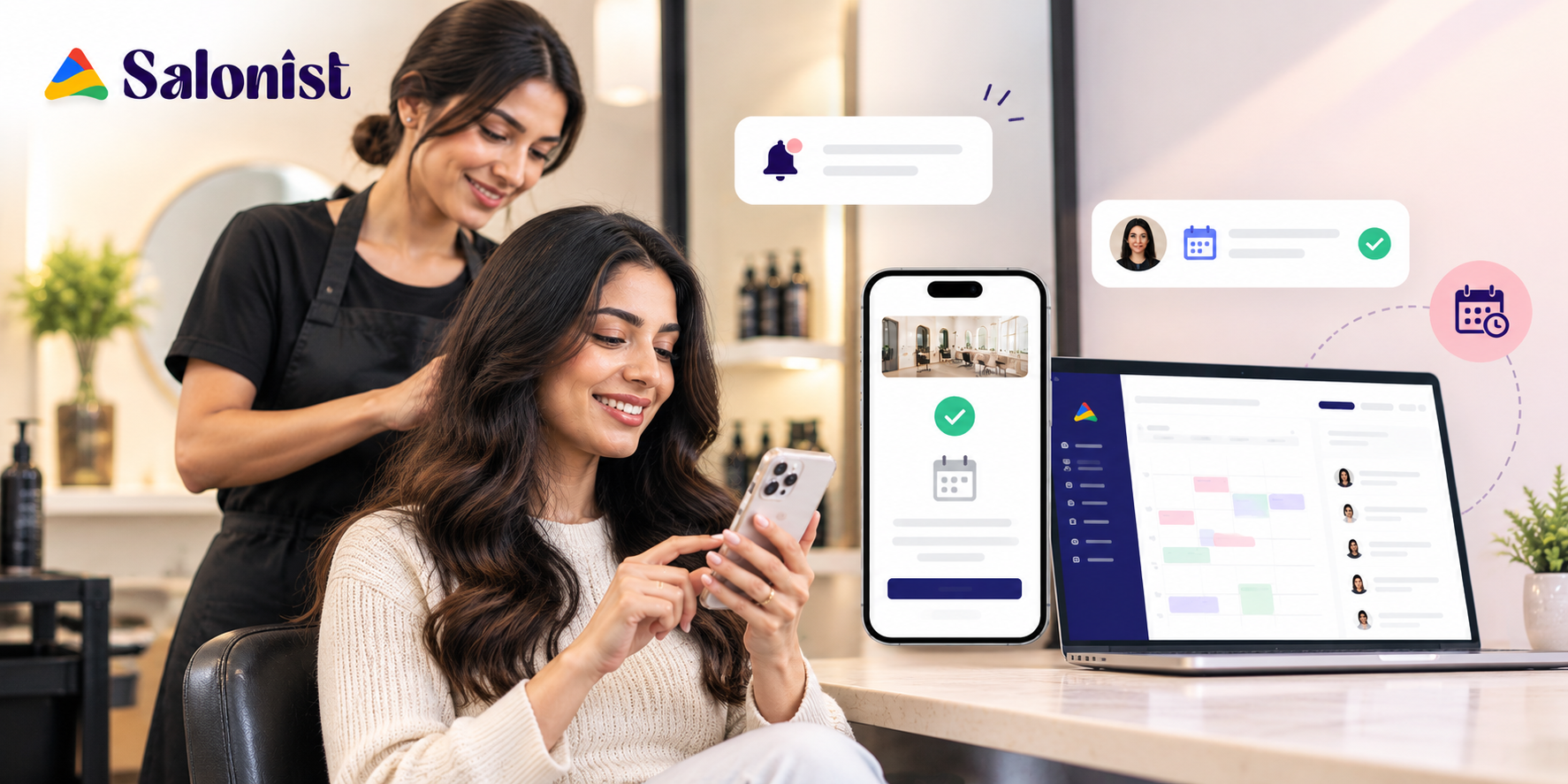
Salonist keeps package details and pricing in one place. Staff can see open slots and book all services in one visit. That matters when a package has three or four treatments back to back.
Client booking history shows what each client tried before. Your team can suggest a package that fits instead of guessing. Automated messages can remind past clients about a relevant package without manual work.
- Package bookings across one or many locations
- Client records and booking history
- Staff scheduling and room availability
- Automated SMS and email promotions
- Reports on ticket size and package sales
See how Salonist spa software runs packages for a spa your size.
Prefer a walkthrough? Book a 20 minute demo with our team.
You can also start a free trial and set up your first package today.
Frequently Asked Questions
What is a spa package?
A spa package is two or more treatments sold together at one price. A common example is a massage and a facial booked as one visit. It gives clients one simple choice instead of several separate add ons.
How do you price a spa package?
Add up the normal price of each service first. Then set the package price 10 to 15 percent lower. Check your staff and product costs so the package still makes a profit.
How many services should a spa package include?
Three or four services work best for most spas. More than that makes the visit run long. It also makes the price harder to justify.
Which spa packages sell best?
Packages tied to a clear result or occasion sell best. Relaxation and couples packages are strong choices. Bridal and stress relief packages also do well.
What should a day spa package include?
Most day spa packages combine a massage with a facial. Many add a body scrub or a foot treatment. Drinks or a light lunch make the visit feel special.
How do I know if my spa packages are working?
Track average ticket size and package booking rate. Also watch add on revenue and repeat bookings. Compare results before and after launch.
Can spa software help manage packages?
Yes. Spa software like Salonist stores package pricing and staff availability in one system. It also sends automated reminders about packages to past clients.
Final Thoughts on Spa Package Ideas
Spa packages work because they change what feels normal to book. Build each one around a clear result. Price it to protect your margin.
Then promote it where clients make decisions. Measure the results every month. Keep the packages that earn their place and drop the rest.