Most appointments forgive a mistake. Move a haircut by a day and nobody remembers. Bridal makeup doesn’t work like that. The wedding happens once and on one particular day, because the bride has been preparing for it for months.
Now look at what sits behind one booking. A first inquiry, a trial, the wedding morning, maybe six bridesmaids and a mother of the bride, and a drive across the city. Multiply that by all the weddings you have accepted this season. A lot of artists still keep all of it in WhatsApp threads and a notebook.
That’s where a bridal makeup business gets into trouble. Rarely because of the makeup. Usually because of a date nobody blocked or a trial nobody confirmed. Here is a practical way to manage bookings and trials, along with a look at how salon management software can ease the load.
Why Booking Management Matters for a Bridal Makeup Business
Compared with regular clients, bridal makeup carries greater risk. There are three main reasons: peak season, the client journey, and your regular clients.
Managing Peak Wedding Season Without Scheduling Conflicts
Good wedding dates go first, and the requests don’t trickle in. They bunch up. Three bookings for the same Saturday in one week.
Double booking usually begins with something as simple as “I will hold that date for you.” In your mind, this is an option, but to the bride, it’s definitely a yes. Once you agree to hold a date, mark it as “held” pending payment.
Creating an Optimum Process from Inquiry to Wedding Day
Brides will not see it as a “booking.” They will see it as a series of small details, such as how fast you replied, how organized the trial was, and whether you remembered what she mentioned about her skin.
Treat each bride as an experience with four key stages: inquiry, trial, booking, and the wedding day. Most problems arise between these points, during the stretches when nothing seems to be happening.
Balancing Bridal Bookings with Regular Salon Clients
A wedding morning can take one artist out of the salon for half a day. That means lost walk-ins and regular revenue, and your regular customers will notice when a chair is suddenly empty or unavailable.
Choose the dates you’ll reserve for brides first and protect them. Tell regular clients early. If walk-ins are a big part of your income, this piece on handling salon walk-ins without disrupting appointments has some useful ideas.
How to Organize Bridal Makeup Inquiries and Wedding Bookings
Bookings are won or lost at the inquiry stage. This section covers where to keep inquiries, what to ask, what to write down and how to protect your calendar.
Create a Centralized Process for Handling Wedding Inquiries
Inquiries come in via phone calls, Instagram direct messages and WhatsApp, sometimes all from the same customer. Choose one place where all inquiries live.
Keep it straightforward. Record where the inquiry came from, when it was received and whether it’s new, quoted, on hold or confirmed. Try to respond on the day you receive the inquiry, even if your only response is “I’m checking my availability.” Review the list of open inquiries every week, as a quiet lead often needs only one follow-up to book.
Collect All Necessary Information Before Making a Booking
Ask first, quote second. You’ll need these before you can price anything properly:
- Wedding date, venue and location
- Number of makeup services required
- Preferred bridal makeup look
- Trial dates and wedding-day preparation schedule
Skip this and you’ll end up re-quoting when the venue turns out to be two hours away or the party grows from two people to seven.
Set Clear Booking Policies, Deposits, and Cancellation Terms
No one likes discussing cancellations, but it’s far easier before any money has changed hands.
Describe what the deposit covers and whether it is refundable. Explain what happens to the trial fee if the date changes. Put travel charges and early-start fees in writing. Then send it all before the bride pays, so there’s nothing to argue about later. Deposits on longer services are also one of the fixes covered in our guide to the challenges faced by salon owners and how to fix them.
Use a Bridal Makeup Booking Calendar to Avoid Double Bookings
One shared calendar solves more problems than any clever tactic. Mark held dates and confirmed dates differently, so a maybe still blocks time. Add travel and setup to the block, not just the appointment itself.
And check it before you reply with a price. Checking afterward is how people end up apologizing. If you want a tool built for this, a booking system for a bridal makeup business can keep all of it on one screen.
How to Schedule and Manage Bridal Makeup Trials
A trial isn’t a formality. It’s where the bride decides to trust you, and where you collect everything you need for the big day.
Book Trials Well Before the Wedding Date
Book the trial when you book the wedding. If it’s left until “sometime later,” it ends up in the last couple of weeks, when nothing can be changed.
Aim for several weeks before the date. That leaves room for a skin reaction, a change of mind about the look, or a change of dress.
Give Each Trial Session Enough Time
Rushed trials give you rushed makeup. Allow time for a proper chat, the application, a look in natural light, photos and adjustments.
It’s tempting to squeeze one in between other clients. Don’t. An extra half hour now is cheaper than a second trial.
Record Client Preferences, Skin Concerns, and Makeup References
Whatever you learn in the chair should be written down. Skin type, sensitivities, products you used, shades, finish, lashes. Save the reference photos the bride loved and the ones she didn’t. Take photos of the final look.
This matters most when someone other than you does the wedding-day work. An assistant can only recreate a look that’s been properly recorded.
Send Trial Appointment Reminders and Follow-Ups
Brides are busy too. A confirmation when they book, a reminder a day or two before, and one on the morning of the appointment should prevent most no-shows.
Include the place, time and anything she needs to bring. Afterwards, follow up with a quick message asking how she liked the look. It shows you care and gives her a chance to speak up. For a real example, see how automated reminders helped EVO Boutique Salon reduce no-shows.
Turn Successful Trials Into Wedding-Day Bookings
If she loves the look, confirm the wedding booking right then and agree a clear plan for the day.
Then send a written summary of the agreed look. If she’s asking about more services, a package is cleaner than a stack of separate quotes.
How to Handle Several Bridal Clients During Wedding Season
When you have several weddings, small systems help more than working harder. These four points cover most of what goes wrong.
Prioritize by Date and Workload
When two requests land on the same date, check the dates first, then the workload. A party of eight takes very different planning from a single bride.
Decide in advance how many weddings you’ll take on one weekend. And if you’re full, refer the extra work to someone you trust. That beats cancelling on a bride later.
Allocate Time for Travel, Setup, and Makeup Touch-Ups
The makeup is only part of the day. Add the drive there and back, with room for traffic or a confusing venue. Add setup and a kit check. Add a window for touch-ups before photos or the ceremony.
Block the entire stretch in your calendar as unavailable. Not just the hours when the brush is moving.
Organize Makeup Artists and Assistants for Large Bridal Parties
With a large party, the running order matters. The bride is usually done first, while everyone else’s turn depends on their hairstyle, outfit and how long their look takes.
Give each artist their clients’ names in advance. Confirm assistants’ availability weeks ahead, not the night before. Share one schedule with the whole team so nothing gets misunderstood.
Prepare for Last-Minute Schedule and Client Changes
Some changes can’t be avoided. Keep a short list of makeup artists who can step in. Tell clients how much notice you need for schedule changes. Before you accept a change, check your calendar and adjust the whole party’s timings, not just the bride’s.
How to Improve the Bridal Client Experience Before the Wedding
A calm bride is easier to work with, and calm comes from knowing what’s next. These habits help.
Share Tips on How to Prepare for the Makeup Trial
Let the bride know how to prepare before arriving at your studio, including how to prep her skin and what to avoid using. What she wears and how she styles her hair is up to her, but a few tips help her get the most from the trial.
Remind Clients Through Automated SMS or WhatsApp Messages
Most brides reply to WhatsApp faster than to email. Automating confirmations and reminders means they still go out during your busiest week. Keep these reminders brief, friendly, and easy to reply to.
Use Digital Client Profiles for Each Bride’s Makeup Preferences
If your client notes are spread across chats, photos and a notebook, finding a detail takes minutes you don’t have. Keep one record per bride, with approved looks and product notes, where an assistant can find it. Treat client photos and details carefully.
Follow Up After Trials to Confirm the Final Makeup Plan
A day or so after the trial, send a short note with the final look, the timeline and the arrival time. Ask her to flag any changes in writing. It takes five minutes and removes a lot of wedding-morning surprises.
How Salonist Helps Manage Bridal Makeup Bookings and Trials
Salon management platforms such as Salonist can bring much of this into one place. Here’s how that looks for bridal work.
Manage Bridal Appointments With Centralized Scheduling
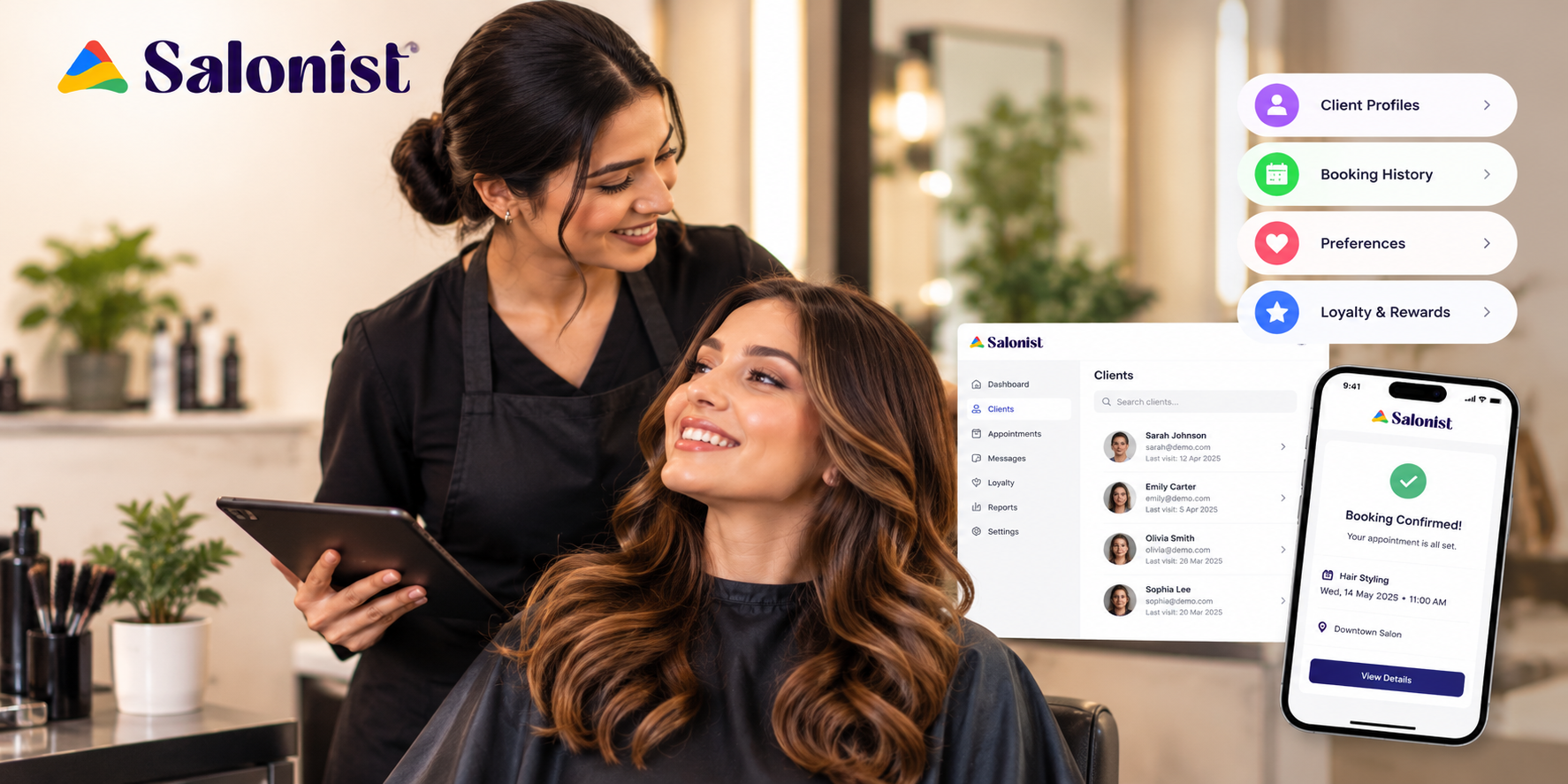
With Salonist, trials, wedding-day bookings and regular services can sit on one calendar. Clients can also book online. Slot blockers help you protect travel and setup time, and recurring and package bookings can support bridal packages.
Reduce Missed Trials With Automated Appointment Reminders
Salonist sends automatic appointment reminders. WhatsApp reminders are also possible through connected providers such as Interakt and Wati. For you, that means fewer manual follow-ups and fewer trials that slip past unnoticed.
Maintain Client Profiles and Bridal Service History
Customer management keeps client details in one place, so your team can open a profile before each appointment. Trial notes can sit alongside the booking, which helps when an assistant takes over on the wedding day.
Simplify Staff Scheduling During Peak Wedding Season
Staff schedules and role assignments live in the same system as your bookings, so you can see who’s working and when. Every plan includes unlimited staff, which suits a team that grows in wedding season. KPI reporting is useful when you review how the season went.
Keep Booking Details Organized From Consultation to Wedding Day
Forms can collect client details before the visit, and booking details stay attached to the appointment. When a bride asks a question three weeks later, you’re not scrolling through old chats.
Common Bridal Makeup Booking Mistakes to Avoid
These five mistakes show up again and again. Each has a simple fix.
Accepting Bookings Without Checking Availability
A fast yes feels helpful and often isn’t. Check the calendar before you quote, mark tentative dates as held and confirm in writing once payment arrives. If a date’s gone, say so.
Leaving Too Little Time Between Trials and Wedding Appointments
Tight schedules cost you quality, and your own energy. Count setup, cleanup and travel. Don’t put a trial right before a long wedding block, and leave extra room on the busiest weekends.
Not Confirming Deposits and Services in Writing
Unclear agreements lead to awkward conversations. Use a contract that states the date, services and fees, record deposits and balances paid, and review everything during the trial session.
Relying on Manual Reminders and Scattered Client Notes
Memory is unreliable. In a hectic week, a manual reminder slips down the list and client notes get lost. Keep everything in one place and check it before each appointment.
Having No Backup Plan for Emergencies
Artists fall sick and plans change. Have a backup artist ready, and share your substitution policy with brides at the start. Keep contact details easy to reach.
Best Practices for Building a Bridal Makeup Business
Once the booking side is steady, growth gets easier. These habits help you book earlier, staff better and earn referrals.
Offer Bridal Packages With Clearly Defined Services
List what’s included: the trial, the wedding day and any party services. State travel and early-start charges. Two or three packages is plenty. Ten just makes people hesitate. For chair times and a sample bridal service menu, read our guide to bridal beauty trends and how to book them.
Encourage Early Bookings for Popular Wedding Dates
Be upfront about how quickly popular dates fill. Set clear booking windows, nudge held inquiries and make the deposit simple to pay.
Track Booking Trends to Plan Staffing and Availability
After each season, look back. Which months filled first? Which package sold most? Use that to line up assistants before the next rush. Salonist’s analytics can help with this kind of review.
Use Client Feedback and Referrals to Build Long-Term Growth
Ask for feedback soon after the wedding, and request a review while the day is fresh. Thank the people who refer you. Many brides come back for engagement parties, family events and the next celebration.
Frequently Asked Questions
How far in advance should a bride book her makeup trial?
Book the trial at the same time as the wedding booking and schedule it several weeks before the wedding date. That leaves time to handle a skin reaction, a change of look or a change of dress.
How long should a bridal makeup trial take?
Allow enough time for a consultation, the full application, checking the look in natural light, taking photos and making adjustments. Avoid squeezing a trial between other clients, because an extra half hour is cheaper than a second trial.
How can a bridal makeup artist avoid double bookings?
Keep one shared booking calendar, mark held and confirmed dates differently, and block travel and setup time along with the appointment. Always check the calendar before quoting a price, and confirm in writing once the deposit is paid.
What information should I collect before quoting a bridal makeup booking?
Collect the wedding date, venue and location, the number of makeup services needed, the preferred bridal look, and the trial dates and wedding-day preparation schedule. Without these details, you may have to re-quote later.
What should a bridal makeup deposit and cancellation policy include?
State what the deposit covers and whether it is refundable, what happens to the trial fee if the date changes, and any travel or early-start charges. Send these terms in writing before the bride makes a payment.
How do I manage makeup for a large bridal party?
Create one running order for the whole team, usually starting with the bride, and assign each artist their clients in advance. Confirm assistants weeks ahead and keep a short list of backup artists for last-minute changes.
Can salon software send WhatsApp reminders for bridal trials?
Yes. Salonist sends automatic appointment reminders, and WhatsApp reminders are possible through connected providers such as Interakt and Wati. This reduces manual follow-ups and missed trials.
How does Salonist help a bridal makeup business?
Salonist keeps trials, wedding-day bookings and regular services on one calendar, with online booking, slot blockers for travel and setup time, client profiles for trial notes, staff scheduling with unlimited staff on every plan, and reporting to review each wedding season.
Conclusion: Build a Better Booking Process for Your Bridal Makeup Business
Bridal bookings rarely fall apart because of the makeup. They fall apart in the gaps: a date nobody blocked, a trial nobody reminded, a note nobody could find.
A clear calendar, planned trials, timely reminders and organized client records close those gaps together. Salon management software helps keep them in one place, so the same process works in your first season and your fiftieth. For more practical guides on running and growing your business, visit the Salonist blog.
Ready to stop tracking trials, wedding dates and bridal party timings across chats and notebooks? Try Salonist free for 7 days and see how it handles your next wedding season.