Opening a spa is one of the most rewarding ways to enter the beauty and wellness industry. People book massages, facials and body treatments to relax, recover and look after themselves, and a well-run spa turns those visits into loyal, repeat clients. But a calm treatment room hides a lot of planning: concept, budget, licences, location, staff, systems and marketing all have to come together before the first client walks in.
This guide walks you through how to start your own spa business step by step, from choosing your spa type to filling your appointment book in the first few months.
Is Starting a Spa Business a Good Idea?
Demand for wellness services keeps growing as more people treat self-care as a regular routine rather than an occasional treat. A spa also has strong recurring revenue potential: clients who enjoy a massage or facial tend to rebook, buy packages and purchase retail products to use at home.
That said, a spa is a high-touch business with real costs. Rent, fit-out, equipment, skilled therapists and products all add up, and margins depend on how well you fill your treatment rooms. The owners who succeed usually have three things in place before they open:
- A clear concept and target client
- A realistic budget with enough cash to cover the first months of operation
- Simple systems for bookings, payments, staff and client records from day one
Step 1: Choose Your Spa Type and Concept
Your spa type shapes everything else: the space you need, the licences you apply for, the staff you hire and the prices you charge. Common options include:
- Day spa: massages, facials, body wraps, manicures and pedicures, usually booked for a few hours of relaxation.
- Medical spa (med spa): aesthetic treatments such as injectables, laser and advanced skin procedures, run under medical supervision. See how Salonist supports medical spa businesses.
- Massage studio: a focused menu of therapeutic and relaxation massages. Salonist also offers tools built for massage therapy businesses.
- Wellness or holistic spa: treatments such as Ayurveda, aromatherapy, reflexology and meditation.
- Destination or hotel spa: part of a resort or hotel, often with pools, saunas and steam rooms.
- Mobile spa: therapists travel to clients' homes, hotels or events, with lower premises costs.
Once you pick a type, define your concept in one or two sentences: who you serve, what makes your spa different and how clients should feel when they leave. This becomes the foundation for your branding, interior design and service menu.
Step 2: Research Your Market and Competitors
Before you commit money, find out whether your local market will support your idea. Look at:
- Target clients: age, income, lifestyle and what treatments they already book.
- Competitors: nearby spas, salons and massage studios, their menus, prices, reviews and opening hours.
- Gaps: services that are missing, poorly reviewed or overpriced in your area.
- Demand signals: local search interest, busy competitor booking calendars and feedback from potential clients.
Reading competitors' reviews is especially useful. Repeated complaints about long waits, rushed treatments or hard-to-book appointments show you exactly where you can do better.
Step 3: Write a Spa Business Plan
A business plan turns your idea into numbers and decisions. It also helps if you need a bank loan or investors. Your plan should cover:
- Executive summary and spa concept
- Market and competitor analysis
- Service menu and pricing
- Location and premises plan
- Staffing plan and organisation structure
- Marketing and client acquisition strategy
- Startup costs, monthly operating costs and revenue forecast
- Break-even point and funding requirements
Our guide on how to write a salon business plan follows the same structure and works well for spas. The U.S. Small Business Administration also has a helpful overview of how to write a business plan.
Step 4: Work Out Your Startup Costs and Funding
The cost of opening a spa varies widely depending on spa type, size, city and the level of finish you want. A small massage studio in a rented unit costs far less than a multi-room day spa with wet areas. List every expense so nothing surprises you later:
| Cost Category | What It Includes |
|---|---|
| Premises | Security deposit, advance rent, agent fees |
| Fit-out and interior | Construction, plumbing, electrical, lighting, soundproofing, décor |
| Equipment and furniture | Treatment beds, facial steamers, pedicure chairs, towel warmers, laundry machines |
| Licences and insurance | Trade licence, health permits, professional and public liability insurance |
| Initial stock | Professional products, retail products, linens, consumables |
| Technology | Spa management software, POS hardware, website, card machines |
| Staff | Recruitment, training, uniforms and salaries before revenue builds |
| Marketing | Branding, signage, launch campaign, social media and ads |
| Working capital | Cash to cover operating costs for the first several months |
For funding, owners commonly use personal savings, bank loans, small business loans, equipment financing, partners or investors. Whatever route you choose, keep a cash reserve. Most new spas take time to build a full client base, and running out of cash is one of the biggest reasons new businesses close.
Step 5: Register Your Business and Get Licences
Legal requirements differ by country, state and city, so check with your local authorities or a business advisor. In most places you will need to:
- Choose a business structure (sole proprietorship, partnership, LLC or company) and register your business name
- Get a trade or business licence for spa and wellness services
- Apply for health, hygiene and safety permits
- Make sure therapists hold the required certifications or licences for massage, beauty or aesthetic treatments
- Register for tax and, where applicable, VAT or sales tax
- Get business insurance, including public liability and professional liability cover
Medical spas usually face extra rules, such as having a licensed medical director and following regulations for injectables and laser treatments. If you plan to open in the UAE, our guide to getting a Dubai salon business licence explains the process.
Step 6: Find the Right Location
Your location affects visibility, foot traffic, rent and the type of clients you attract. When comparing spaces, consider:
- Accessibility: easy parking, public transport and a safe, well-lit entrance
- Neighbourhood fit: nearby residents and offices that match your target client
- Space and layout: enough room for treatment rooms, reception, a relaxation area, storage and laundry
- Utilities: plumbing, ventilation and electrical capacity for wet treatments and equipment
- Noise: a quiet environment is essential for a relaxing spa experience
- Lease terms: rent, length of lease, fit-out allowances and permitted use
For a detailed checklist, read how to choose a salon location.
Step 7: Design Your Spa and Buy Equipment
A spa sells an experience, so design matters as much as the treatments. Plan the client journey from the moment someone walks in: a welcoming reception, a calm waiting or relaxation lounge, private treatment rooms and clean changing areas. Soft lighting, natural materials, comfortable temperatures and gentle music all help clients switch off.
Typical spa equipment includes:
- Massage and treatment beds
- Facial steamers, magnifying lamps and skin analysis tools
- Pedicure and manicure stations
- Hot towel cabinets and stone heaters
- Sterilisation equipment and laundry machines
- Reception desk, POS hardware and retail display shelves
Use our salon equipment list to plan purchases and avoid overspending on items you don't need at launch.
Step 8: Build Your Service Menu and Pricing
Start with a focused menu of treatments you can deliver consistently well, rather than a long list that stretches your team and stock. A strong spa menu usually includes:
- Signature treatments that showcase your concept
- Core services such as massages, facials and body treatments
- Add-ons such as hot stones, scalp massage or eye treatments that raise the average bill
- Packages that combine treatments for couples, bridal parties or special occasions
Price each treatment based on product cost, therapist time, room time, overheads and local competitor pricing, then add your desired margin. Our guides on salon pricing strategy and spa package ideas can help you build a profitable menu.
Step 9: Hire and Train Your Team
Your therapists are your product. Clients come back for skilled hands and a warm, professional experience. Most spas need:
- Licensed massage therapists and estheticians
- Nail technicians, if you offer hand and foot care
- Receptionists or client care coordinators
- A spa manager as the business grows
- Medical staff, for medical spas
Look for both technical skill and hospitality. Train everyone on your treatment protocols, hygiene standards, client consultations, rebooking and retail recommendations. Decide how you will pay staff, whether by salary, commission or a mix, and set clear schedules from the start. Read more on how to hire and retain great staff, and see how Salonist's employee management handles shifts, commissions and payroll.
Step 10: Set Up Spa Management Software
Running a spa on paper diaries, spreadsheets and separate apps creates double bookings, missed payments and lost client information. The right spa management software keeps everything in one place from your first day. Look for:
- Online booking: let clients book 24/7 from your website, social media or app
- Automated reminders: reduce no-shows with SMS, email or WhatsApp reminders
- Client records: store treatment history, preferences, allergies, notes and consent forms
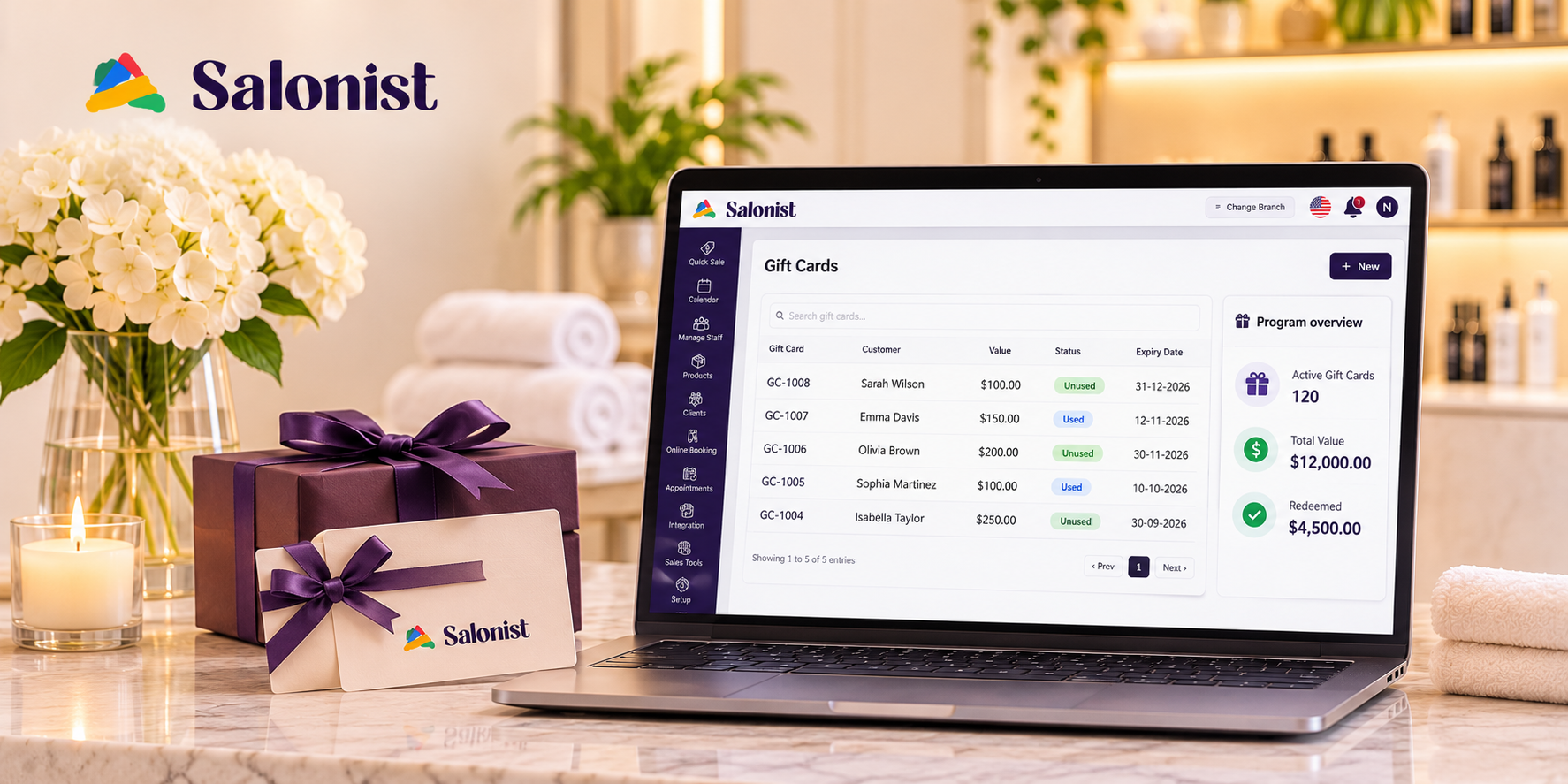
- Point of sale: take payments, sell gift cards and track retail sales
- Inventory management: track professional and retail stock and get low-stock alerts
- Memberships and packages: build recurring revenue
- Reports and analytics: monitor revenue, utilisation and staff performance
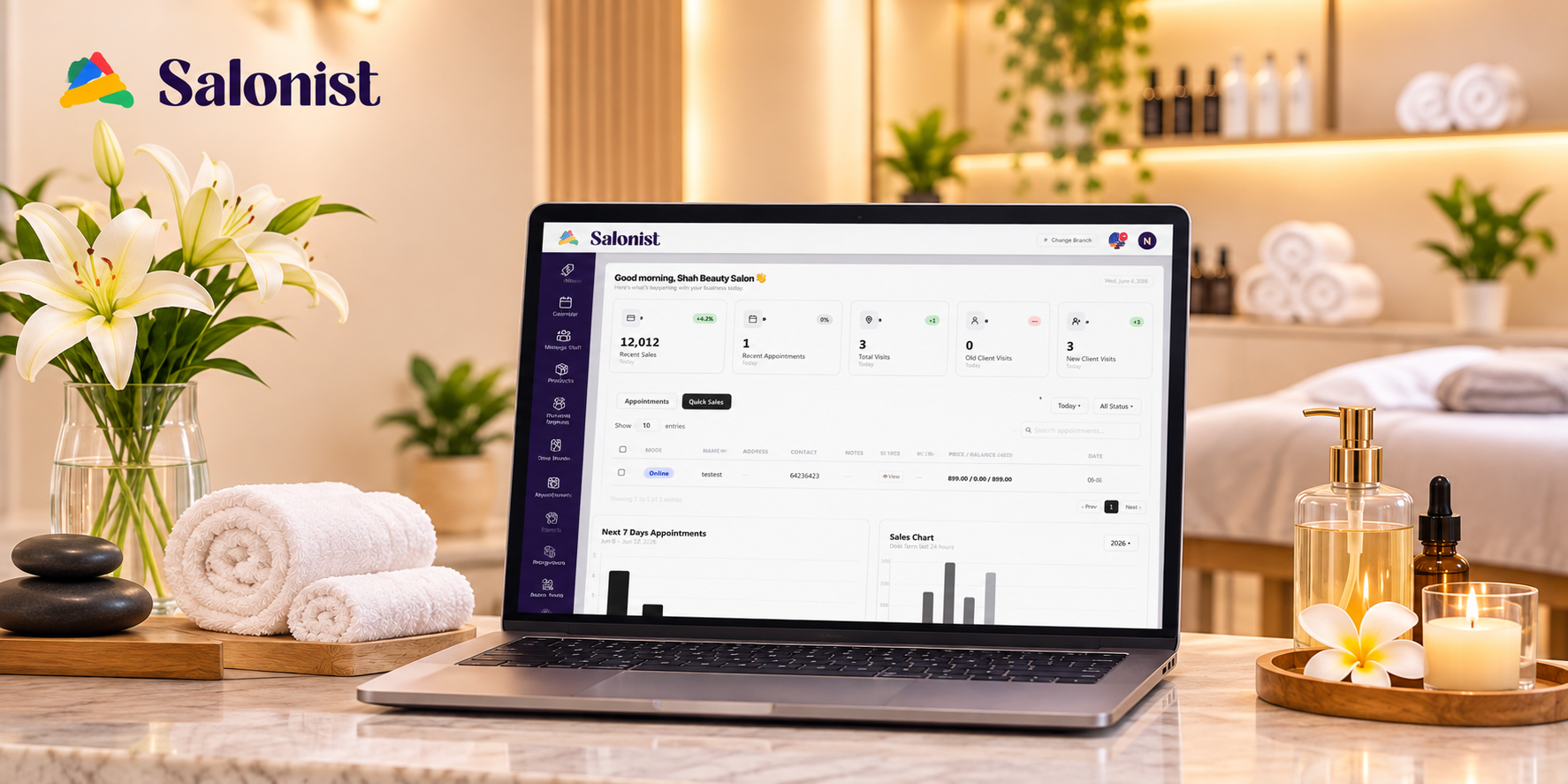
Salonist spa software brings all of these tools together in one platform, so you can focus on clients instead of admin. Compare plans on the Salonist pricing page, or read our guide on choosing the right tools for your spa business.
Step 11: Market Your Spa Before and After Opening
Start marketing well before opening day so you launch with bookings already in the calendar. Effective spa marketing ideas include:
- Google Business Profile: set it up early with photos, services, hours and your booking link
- Website with online booking: make it easy for visitors to book in a few taps
- Social media: share your fit-out progress, meet-the-team posts, treatment videos and opening offers
- Soft launch: invite friends, local influencers and nearby businesses for preview treatments
- Opening offers: introductory pricing, first-visit packages or a free add-on
- Partnerships: work with gyms, hotels, wedding planners and corporate offices
- Email and SMS campaigns: keep in touch with clients and promote seasonal offers
- Reviews: ask happy clients to leave reviews and respond to every one
Salonist's marketing tools help you run campaigns, send offers and win back inactive clients from the same system you use for bookings.
Step 12: Focus on Client Retention and Growth
Getting a new client costs more than keeping an existing one, so build loyalty from the first visit. Ways to keep clients coming back include:
- Rebooking the next appointment before the client leaves
- Offering memberships with monthly treatments and member perks
- Running a loyalty or referral program
- Selling gift cards, especially around holidays
- Recommending home-care products after each treatment
- Collecting feedback and acting on it quickly
Learn how to improve your rebooking rate and sell memberships online. Then track key numbers every week, such as revenue, room and therapist utilisation, average bill, rebooking rate and retail sales. Our guide to KPIs to track weekly shows where to start.
Common Mistakes to Avoid When Opening a Spa
- Underestimating costs: fit-out, licences and slow early months often cost more than expected.
- Too broad a menu: offering everything makes training, stock and marketing harder.
- Choosing a location on rent alone: a cheap space with poor visibility or access can cost you clients.
- Skipping systems: manual booking and payments lead to errors, no-shows and lost revenue.
- Ignoring marketing until opening day: start building awareness months in advance.
- Not tracking finances: review your profit and loss statement monthly.
Spa Business Launch Checklist
- Spa type and concept defined
- Market and competitor research completed
- Business plan and budget ready
- Funding secured, with a cash reserve
- Business registered, licences and insurance in place
- Location leased and fit-out completed
- Equipment, furniture and initial stock purchased
- Service menu and pricing finalised
- Team hired and trained
- Spa management software set up with online booking
- Website, Google Business Profile and social media live
- Launch marketing and opening offers scheduled
For a deeper look at running your spa once it's open, read our complete guide to spa management.
Conclusion
Starting your own spa business takes careful planning, but each step builds on the last: a clear concept guides your location and menu, a solid plan guides your budget, and good systems let you deliver a great experience consistently. Start focused, keep a close eye on your numbers and invest in the people and tools that keep clients coming back.
Ready to run your spa smarter from day one? Explore Salonist spa software and manage bookings, payments, staff, inventory and marketing in one place.
FAQs
How much does it cost to start a spa business?
The cost depends on the spa type, size, location and finish. A small massage studio or mobile spa needs far less investment than a multi-room day spa or medical spa. Budget for premises, fit-out, equipment, licences, insurance, initial stock, software, staff, marketing and several months of working capital.
Do I need a licence to open a spa?
Yes, in most places. You will usually need a business or trade licence, health and safety permits, and therapists with the required certifications. Medical spas often need additional approvals and medical supervision. Check the rules with your local authorities before you open.
Is a spa business profitable?
A spa can be profitable when treatment rooms are well booked, prices cover all costs, and clients return regularly. Retail sales, packages, memberships and gift cards add revenue on top of treatments. Keeping costs under control and tracking key numbers weekly makes a big difference.
How long does it take to open a spa?
It often takes several months from planning to opening. Research, business planning, funding, licensing, finding a location, fit-out, hiring and marketing all take time. Fit-out and licence approvals are usually the longest steps.
Can I start a spa business from home?
In some areas, yes. A home-based or mobile spa can lower your startup costs, but you still need the right licences, insurance and a space that meets local health and zoning rules.
What software does a new spa need?
A new spa needs software for online booking, appointment reminders, client records, payments, staff scheduling, inventory and reporting. An all-in-one platform like Salonist covers all of these, so you don't have to manage separate tools.
How do I get my first spa clients?
Start promoting before you open. Set up your Google Business Profile, share your progress on social media, host a soft launch, offer introductory deals, partner with nearby businesses and make online booking simple. Ask early clients for reviews to build trust with new visitors.